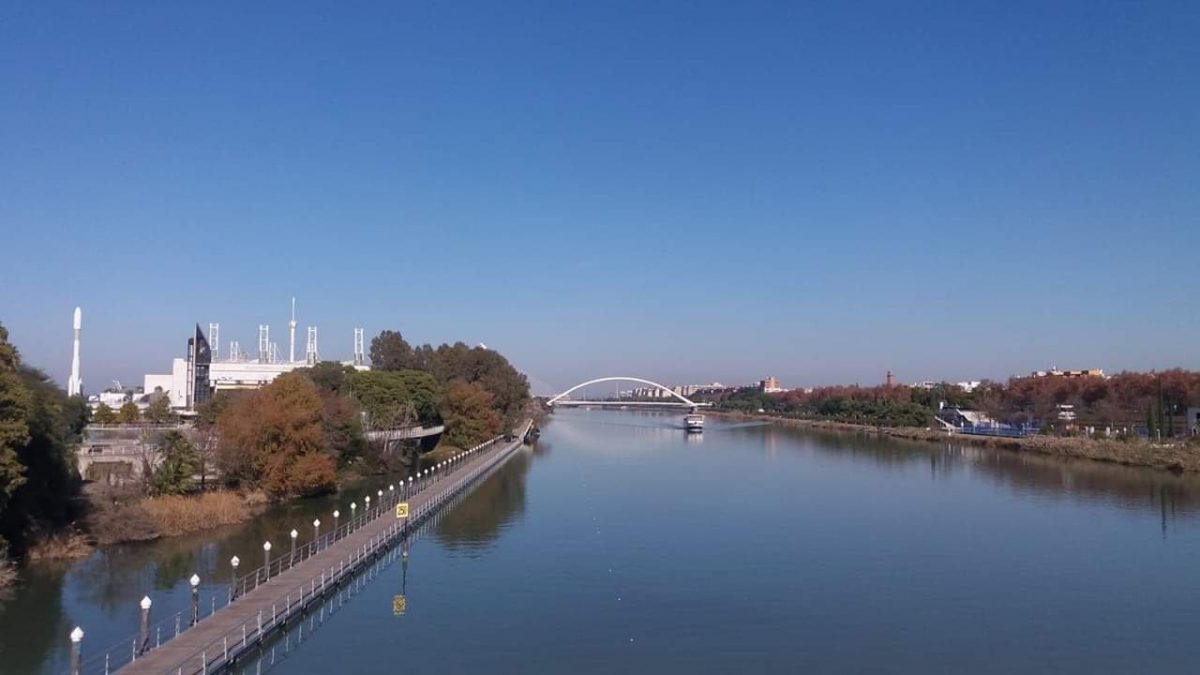
Today I have a guest post from my daughter Angela who has also provided the photos. She was lucky enough to spend three months teaching English as a foreign language in a bilingual school in Seville in Southern Spain a couple of years ago. This was part of the Erasmus scheme which provides study opportunities abroad for both students and teachers.
She experienced the Easter celebrations for holy week. She was surprised to find that children in her class got a lot less chocolate than at home and a shorter Easter holiday. Many of the children came to school wearing national costume during holy week.
Seville is a beautiful city and attracts visitors from all over the world. It is the capital of Andalusia and is on the lower reaches of the Guadalquivir River. A local resident has suggested how to spend three magical days in Seville for visitors who want to make the most of the attractions the city has to offer. My husband and I spent a day in the city a few years ago and remember the magnificent cathedral and the enormous Plaza Espana, the main square with its queue of horses and carriages waiting for customers. My daughter remembers jogging by the side of the river in the warm sunshine. She had some Spanish lessons at the University which is close to the Guadalquivar.

Santa Semana
Santa Semana (Holy Week) is one of the most culturally important events in the Spanish calendar, diverse festivities are held in every region but the most famous and popular takes place in Seville. The city is taken over by religious processions which ten of thousands of people take part in while many more thousands visit the city to absorb the spectacle.

Each procession is led by Nazareons (Nazarenes), members of Catholic religious orders who wear distinctive robes to show penitence.
.
Members of the procession typically carry elaborate floats and statues of Jesus or the Virgin Mary from their own churches through the city streets towards Seville’s awe-inspiring Cathedral; the largest in the world. For Christians the journey symbolizes Jesus’ last days before his crucifixion.

Women who partake in the procession may wear black mantillas, intricate black lace dresses with veils which show respect to the solemnity of the occasion.

Each procession is accompanied by music, the religious statues are serenaded by the singing of ‘saetas’ and brass bands rehearse for weeks to prepare to accompany the religious orders on their journeys.

Sadly, the processions which are thought to date from the 16th century had to be cancelled in 2020 due to coronavirus and Seville was closed to visitors. It is estimated that the cost to the Seville economy was about four hundred million Euros.
Now the tourists are back in huge numbers. In 2024 Santa Semana will take place from April 14th to 20th.
3 responses to “Holy week in Seville”
[…] Many British tourists who visit the Costa Del Sol fly to Malaga airport. However there are many places in Andalucia that are worth visiting. If you want to venture inland I recommend a visit to the beautiful city of Seville. […]
Beautiful photos, Angela. I’ve never been to Spain, but I would certainly love too some day soon…when traveling is an option again. Thanks for the intro Anne.
Interesting guest post, thank you Angela!