Mental health services come in a wide variety of resources including hospitals, outpatient services, counselling, and medication management. Though there is a wide range of services, accessing them especially if you are older can feel overwhelming. Depending on the sort and the magnitude of a mental illness, the symptoms and the behaviors can feel outrageous, and many people resist treatment.
In January I am publishing a series of posts on getting help for mental health problems either for yourself or a person you care for which I hope will help someone. Typically, in winter we all feel a bit “under the weather”. Our vitamin D levels are low and we may be taking less exercise and socialising less. Sometimes we may need to seek professional help either for ourselves or someone we care for.
Mental health and physical health are a two-way street. As we get older our physical health can decline meaning that we have to adapt to having less independence or we might even find ourselves in a new environment such as sheltered housing. Many older people suffer from isolation and loneliness, often after the death of a loved one
Mental health problems in older adults often slip under the radar because they are unidentified and unnoticed. You might think that the symptoms of depression or anxiety are a normal part of getting older. It has been shown that the stigma around mental health care can create barriers for older adults who would benefit from treatments such as medications or talking therapies.
Signs and symptoms that something might be wrong include:
- A change in sleeping habits
- Feeling highly stressed or constantly worrying
- constant headaches or other pain without a known cause
- Feeling hopeless or suicidal thoughts
- eating too much or too little
- dependence on drugs or alcohol
- loss of interest in your appearance
- saying things like everyone would be better off without me
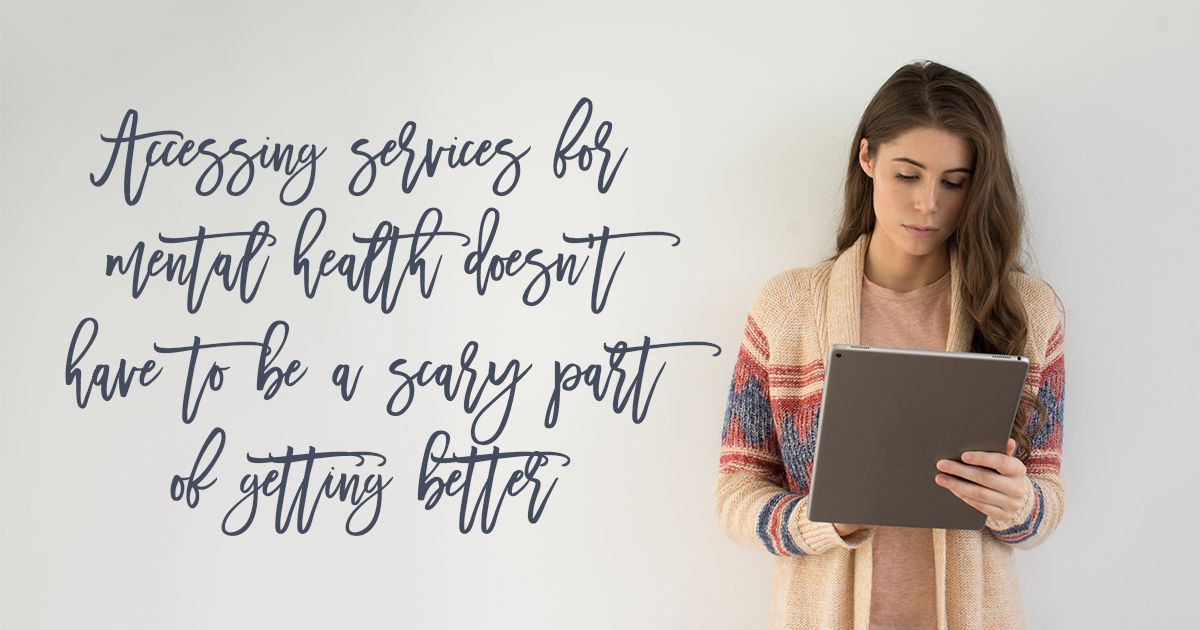
Accessing services for mental health doesn’t have to be a scary part of getting better. Finding quality care and getting support can help.

How to access mental health services:
Referrals- Your G.P. is an excellent resource for mental health services. They will have connections to providers and programs that can meet very specific needs as they relate to a variety of mental health issues. Consult your doctor and ask for referrals to helpful programs. Remember he or she will have this type of conversation several times a week so there is no need to be embarassed about asking for help.
Help Lines- Whether online or via telephone, there are many help-line resources available for mental health needs. Trained mental health counsellors and nursing staff help triage immediate needs and can provide referrals and connections to services that can make a big difference, especially when it comes to suicidal thoughts or depression.

Local Mental Health Services- Generally, your local community provides mental health services via local clinics, hospitals, and charities. A simple keyword search for your area should provide a list of programs, services, and locations where you can access screening or other entry-level mental health services.
Your pharmacist – Your pharmacist will be able to check if your symptoms could be a side effect of your medications. This is much more likely if you take four or more medications.
NHS 111 helpline This is a free national helpline for people needing help or advice in a non-threatening situation. It operates 24 hours a day 365 days a year.
Be prepared when you access services:
One of the best ways to make accessing services less overwhelming is to be prepared. Come to appointments with valuable information that will help with screening and getting to the root of the issue. Some things to know that are helpful would be:
- A list of current medications
- Historical information about onset of symptoms
- Family history of mental health illnesses
- Accurate account of substance abuse history or status
Even under the best of circumstances, accessing mental health services can feel stressful. As with all illnesses, mental health illnesses come with symptoms that are sometimes unpleasant and can leave people feeling out of sorts, unable or unwilling to access care independently. Sometimes a third party or a family member is helpful for accessing services.