The NHS will be under a lot of pressure this winter so if older people can stay healthy they should.
Try to stay warm
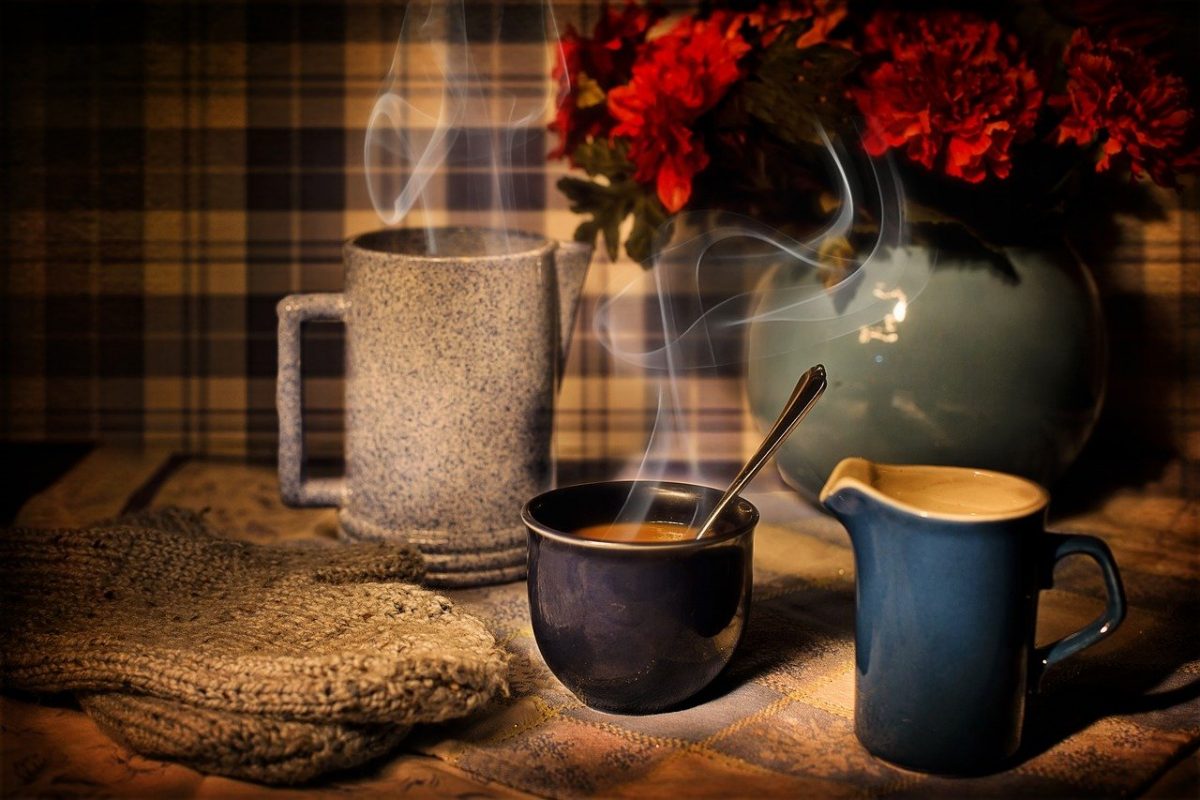
Cold weather can make some health problems worse especially if you are over 65. If you are not very mobile or have a health condition that is made worse by cold weather the NHS suggests you should heat your home to at least 18 degrees centigrade. If you are younger and active you can keep your house cooler if you feel comfortable. You should try to have a hot meal a day and regular hot drinks when the weather is cold.
This year fuel prices are likely to rise steeply so if you are struggling it is worth checking to see if you are eligible for the winter fuel payment or cold weather payments. You can also check to see if you can get any grants to make your home more energy efficient.
Other ways to make your home safer
A lot of falls occur in the home so it is important to try to future proof your own home. This can be something as simple as putting a grab rail or shower seat in your bathroom. It is important to make sure you have adequate lighting and you should try to remove trip hazards such as loose mats.
You should keep medicines and food in stock so that you can stay indoors if it is cold. It is also a good idea to keep a tub of salt handy in case garden paths become icy.
If you have to venture outside remember to wear warm clothing including a hat, gloves and scarf. It is important to choose water resistant shoes with a good grip.
Eat a healthy diet
Sticking to a healthy diet won’t stop you from picking up winter illnesses but it can help maintain your immune system. A healthy immune system will certainly speed up your recovery. Making vegetable soup is a good way to get your five a day. You should consider reducing the amount of salt and sugar you eat. You can improve your diet without resorting to a bland diet by swapping sugar for cinnamon and salt for herbs, natural flavourings and spices such as garlic, lemon juice and paprika.
Try to eat mindfully rather than graze.
Women in particular tend to gain weight as they get older because of hormonal changes and a slowing metabolism. If this is coupled with a more sedentary lifestyle it will be difficult to lose weight after 50. You may find that you need to make some changes to your diet and lifestyle to compensate for this.
Exercise regularly
It is important to keep mobile. Even if you can’t go out websites such as Age UK have suggestions of simple exercises you can do at home. You need to practice functional movements such as getting up off the floor or out of a low chair regularly. I can personally recommend the free “Lets move with Leon” from Versus Arthritis.

Get your flu jab
Flu can be serious and every year thousands of pensioners are admitted to hospital with Influenza and sadly many die. This year our immunity to flu may be less because of the lockdowns and social distancing. Last winter there was less flu virus circulating so we did not have a chance to build up immunity.
In England you can get a free flu jab if you are over 50 or have a weakened immune system or other long term health condition that puts you at increased risk.
Other jabs
In England older people are also offered protection against other diseases:
If you are over 65 you are eligible for the pneumococcal vaccine which will help protect you from pneumonia.
People between 70 and 79 are offered the shingles jab
Covid 19 booster jabs are being offered to older people.
Remember pharmacists can give advice if you are feeling unwell. You can also contact NHS 111 for non urgent matters.
Take vitamin D supplements
Vitamin D is essential for our bone health. But it can be difficult to get enough of it during the winter months.
That’s because our body creates vitamin D when our skin is in direct sunlight outdoors. It’s also found in a small number of foods, such as red meat, egg yolks, and oily fish (such as salmon).
Typically, we don’t make enough vitamin D from sunlight during the winter months, so the NHS recommends that everyone should take a daily supplement containing 10 micrograms of vitamin D during autumn and winter.
Check on your friends and neighbours.
If you have elderly friends, neighbours or relatives you should check to make sure that they are coping, that they have managed to stock up for winter and that they are keeping warm. If they live alone ask if they have checked their smoke alarm and encourage them to get a personal alarm so that they can call for help if they have a fall.