Both physical and mental health should always be a concern for people of all ages. But as you reach your golden years, there are some concerning health issues that tend to be associated with old age.
Today, we’re going to dive into an important topic that concerns all of us as we age: dementia and cognitive decline. It’s a topic that’s on many of our minds, and for a good reason. What are the real risks of dementia and how can you take care of your cognitive health in older age? Truth be told, dementia is not going to be a risk for everyone. However, more often than not the early signs of cognitive decline are missed and this can lead to much more alarming problems.
Is dementia on the rise?
First things first, is dementia becoming more prevalent in our current society. It seems that way for a variety of reasons. As our healthcare system has improved, people tend to live longer, which puts them more at risk of naturally cognitive decline. So, in other words, signs of decline are more prevalent because we are essentially remaining physically healthy for many more years than our parents and grandparents did.
Sadly, we have all seen senile senior citizens. After all, many older people become weaker, mentally and physically. Alternatively, when we see someone in their 80s or 90s, who is as sharp as a tack and quicker with their tongue than ourselves, we are shocked, but in a good way! Wow, to be as alert as they are at their age! This person is a super-ager.
Super-agers possess cognitive abilities that are typically found in individuals decades younger than they are, and Alzheimer’s disease and dementia don’t pose such a huge risk for them at the age they now are.
Ageing and Cognitive Decline
Our memory and ability to perform complex mental activities can diminish as we age. This cognitive decline can be attributed to the brain’s health changing and atrophy. Just as our muscles atrophy, so does our brain. That means our brain shrinks in size. Aside from brain atrophy, levels of neurotransmitters also decline over time, which makes it more difficult to assimilate new information and recall details, which affects memory and cognition.
These negative changes in the brain increase the risk of developing Alzheimer’s disease or other forms of dementia. Combined with genetic, environmental, and lifestyle factors, the chances of being diagnosed with Alzheimer’s disease increase as we age. While age itself is not the cause of Alzheimer’s, age-related brain atrophy can contribute to cognitive problems.
For years, scientists, doctors, and the general population have been fascinated with ageing and how and why it happens, and how we can stop or reverse it. Wouldn’t we all love to stay young, or feel younger, while on this earth? Well, super-agers seem to defy many of the natural effects of growing old.
Of course, there have been many studies on brain health and ageing, but we’re not going to look into the in-depth research on how and why a super-agers brain is better than someone else of their age. Know that it just is! It’s bigger, (yes bigger), healthier and stronger in many intricate ways. This is why their brain is better at retaining information and complex mental functions. A super-ager’s brain is bigger because it shrinks at a much slower pace than cognitively ‘normal’ adults.
How Super Agers Fight Cognitive Decline
There can be several factors that help super-agers fight cognitive decline, however, their lifestyle choices play a vital role in keeping their brain sharp and super healthy. Here are some ways to sharpen your brain as they do.
Exercise The Brain
One way to ensure our brain is in great shape is to exercise it. Like a muscle in the body, the brain becomes stronger the more we challenge it. We should look for new ways to stimulate the mind. For example, simple activities that promote critical thinking such as solving puzzles. This can help engage the brain and prevent memory loss. Cognitive stimulation is key at any stage, of course, and this remains crucial as we age. Engaging in activities that challenge our brains, like puzzles, crosswords, reading, Sudoku, or even learning a new language, can help maintain mental agility.
You can also exercise your brain with friends. Socializing with people who share common interests as you is another way to challenge your brain.
Keep Moving
Exercising the body not only keeps you fit but also sharpens your brain. By exercising you are increasing your oxygen intake. The oxygenated blood flows to the brain too, keeping you mentally alert. Think about when you are tired and lethargic. You begin to yawn to get more air. You get sleepy and your body and brain begin to slump. If you exercise, you are oxygenated and feel alive!
Even if you are disabled it is still possible to exercise regularly. You will find plenty of suggestions online for exercises you can do from a chair or even in bed.
Bedridden exercises for sick days
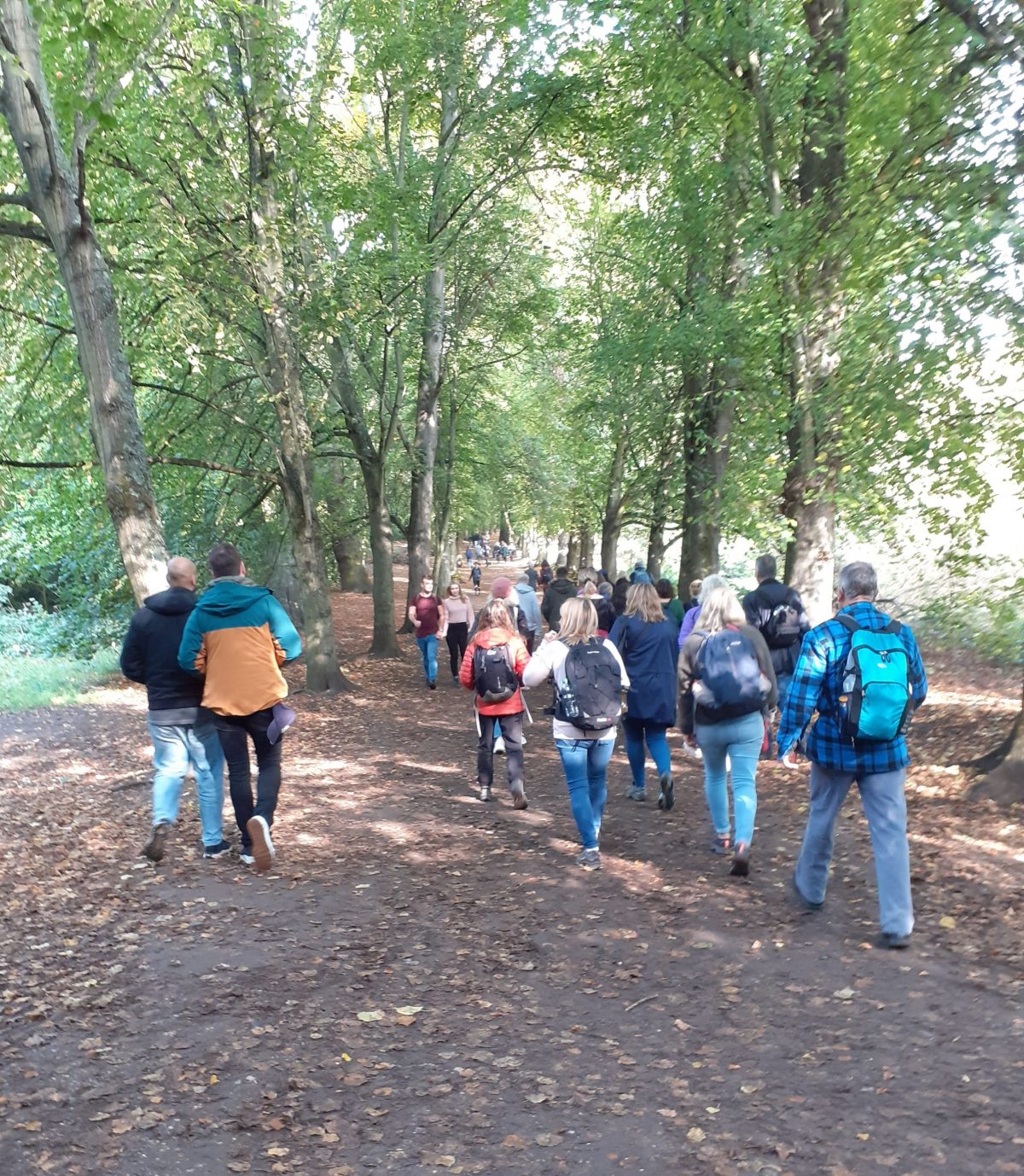
The best form of exercise is something you enjoy. That way you will keep doing it. If you hate exercising, just make sure you get up and if possible, walk every single day. Enjoy the sun and the fresh air and ultimately a longer, healthier life.
Eat a Healthy Diet
Your diet determines your vitality. It is a healthy one, that’s great. If it’s not, it’s time to change it. Eating healthy foods and having healthy eating habits largely determine your physical and mental health. Your brain needs to be fed healthy brain foods!

The good news is we can make changes to reduce our risk. High sugar, high fat diets and a lack of physical activity can greatly contribute to cognitive decline.
New research presented at the Alzheimer’s Association International Conference highlights the link between a sugary diet and cognitive health decline. This is especially true for people who go on to develop type 2 diabetes. Unfortunately, in a society that loves fizzy drinks, sweets, and cakes, it is easy to see how dementia risks could be on the rise. So, let’s opt for a balanced diet with plenty of fruits and veggies over processed snacks!
Other important health checks, such as managing your vision and hearing health, will also affect cognitive stimulation. Indeed, untreated sight or hearing loss can reduce brain stimulation dramatically.
Signs of cognitive decline
It is essential to be aware of the signs of decline, such as memory lapses, persistent troubles with problem-solving, and difficulty concentrating. Unfortunately, you can’t stop cognitive decline. However, you can take measures to preserve your health. For instance, you may want to consider elderly home care with daytime assistance at home to help you remain independent and comfortable. This is a fantastic support that can help you keep your brain engaged for longer.
You may also want to consult with your doctor and ask for monitoring if you are worried about potential risks. There is a lot of help available, such as arranging for specialist care ahead if you are concerned about things becoming unmanageable in the future.
Realistically, our generation is more exposed to risks of cognitive decline than the previous generations. We have been through unhealthy lifestyle choices, which could impact on long-term health. Does it mean that dementia will affect everyone? Absolutely not. But being aware of the risks can help you preserve your health and enjoy your golden years to the fullest.
(collaborative post)


