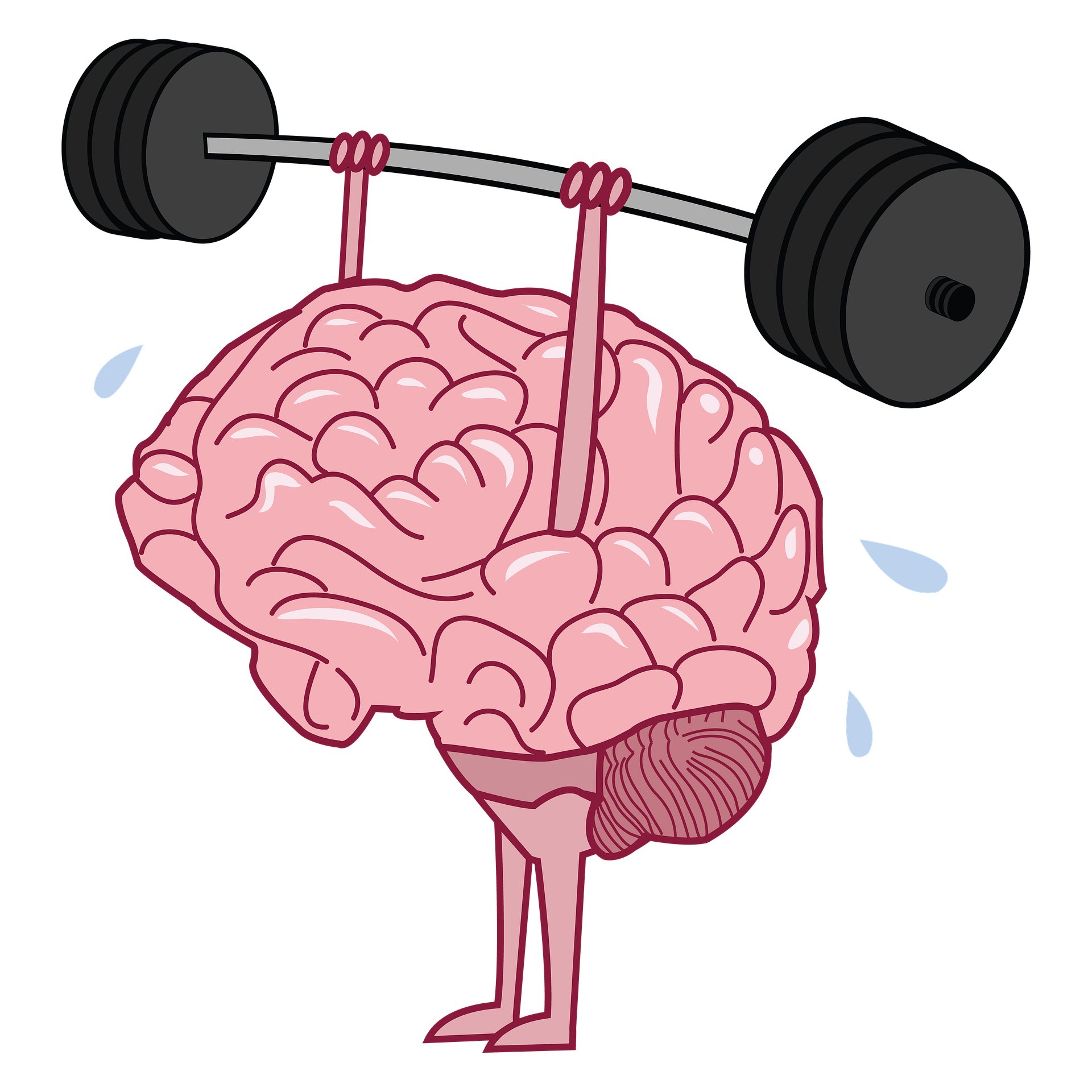
We have all heard the term use it or lose it. Like most older people I have been bombarded with advice: to learn another language, to do jigsaws and crosswords, to take up Zumba or Pilates. But does it work? Can we really help to prevent dementia or at least delay the symptoms?
I spent many years working in a variety of nursing homes and helped look after residents with several different types of dementia. When I started nursing I believed cognitive decline was almost an inevitable part of growing older. Recent research shows that the picture is much more complicated than that. As I gained experience I began to wonder if the environment particularly the lack of exercise and challenging activities was contributing to our patients physical and mental decline.
While it is true that most types of dementia become more common as we age and that genetics play an important part, there are things we can do to help delay or prevent the onset of cognitive decline. There are even some easy ways we can help maintain cognitive health.
What do we mean by cognition
Although some people still talk of brain health in terms of memory, cognition involves many different skills. I will try to simply the jargon for you.
Attention
Attention involves being able to have sustained alertness and the ability to process information rapidly. Without being able to pay attention to information inputs, like an enjoyable show or a lecture, the brain is not able to receive the inputs to learn or complete a task.
Executive Function
Executive function involves a set of cognitive processes responsible for starting and monitoring goal-orientated behaviour including planning, problem solving, judgement, decision making, abstract thought, verbal flexibility and reasoning.
Memory
Memory and learning involve the storage and retrieval of information, often compared to a computer’s storage capacity and file retrieval system. There are so many inputs to memory, which may be why it is so commonly impacted by different types of dementia, but in general the main components are: Sensory Memory from sounds and visual inputs which are very briefly stored before being turned into short term memory. Short Term Memory is to reproduce, recognise or recall a smaller amount of information after a period of about 10 to 30 seconds. Working Memory involving the short-term use and retention by the brain of encountered information which is in a very accessible state. Episodic Memory involves being able to remember events at a certain time and place that a person has experienced. Verbal learning involves responses to letters, words, digits and symbols. Verbal fluency refers to the ability of the brain to be able to generate words, for example, how many words starting with the letter G can a person name in 60 seconds.
Processing Speed
Processing speed is how quickly the brain processes non-verbal messages and is assessed using timed testing of someone’s attention to visual material, perception and organisation, scanning and hand-eye co-ordination. I would say that speed chess players and Formula 1 racing car drivers should score top marks for processing speed.
Visuospatial Cognition
Visuospatial cognition is a complex one that determines how we see and interact with spaces, objects and shapes. It involves perception, constructional praxis, mental rotation, speed, flexibility, working memory, reasoning, and episodic memory. Construction praxis is the ability to draw or copy spatial patterns or designs. Subjects are often asked to draw a clock face or copy a cube.
Co-ordination and Dexterity
Co-ordination and dexterity include the gross motor skills that help us do things like garden, play tennis, walk, run and dance, as well as fine motor skills that involve the smaller, more dexterous movements you make with your hands. For example, heading to Zumba followed by an art class will get gross and fine motor skills engaged.
Sensory
Sight, hearing, smell, taste and touch are so important to how we interact with the world and those around us. As we age, sight and hearing are increasingly important factors to consider as they not only impact on how we receive information, but also how we socialise. Verbal and visual stimulation are an essential part of sensory memory. Loss of hearing is the largest modifiable risk factor for dementia in people aged between 45 and 65.So, don’t forget to get those regular eyesight and hearing tests.
Global Cognition
Global cognition brings all these factors together. For example, when a doctor wants to check someone’s cognition, they may do a cognitive screening test called the Mini-Mental State Examination. The MMSE covers global cognition as it looks at a person’s orientation to time and space, immediate memory, attention and concentration, delayed recall, language abilities to name objects, repeat and understand words, write, read and draw specific patterns and shapes.
Cognitive Chats
Socialisation is increasingly being recognised as an important factor to maintain cognitive health. I personally find I feel I need to share time and chats with friends and family. Hearing their perspectives and having the odd healthy debate are good to keep the so-called cognitive cogs turning.
Cognitive stimulation
Cognitive stimulation refers to activities that help improve or maintain cognitive skills and abilities. Brain plasticity refers to the brain’s ability to remodel the connections between nerve cells. Activities which challenge the brain help create alternative pathways and create a cognitive reserve. You will have a greater range of functional pathways despite any damage to the brain.
Physical health is important for mental health
I have already mentioned the importance of regular hearing and sight checks. It is also vital to manage high blood pressure to help prevent strokes. You should try to manage stress and get enough sleep. Poorly controlled diabetes is a significant risk factor for dementia so trying to maintain a healthy weight is important for mental as well as physical health.
If you would like to learn more about the latest research on dementia and ways to delay or prevent cognitive decline I can recommend a free MOOC course from the Wicking Dementia Institute which is part of the University of Tasmania.